Exploring Hakozaki: A Town of Food, History, and Culture
- Date
Share


Join Fukuoka’s Goodwill Ambassadors and explore the city’s rich history and culture.
Exploring Fukuoka with the Goodwill Ambassadors!
A Tour Through Historic and Cultural Sites
Join Fukuoka’s Goodwill Ambassadors and explore the city’s rich history and culture. Discover not only the classic spots, but also deeper stories, and overlooked views you might have missed. Spend your next day off uncovering Fukuoka’s historical treasures for a truly special experience!

In this sixth episode, we will explore the Higashi Ward area together with Honoka Ueda.
Exploring Hakozaki: A Town of Food, History, and Culture
With its long history from ancient to modern times, the Hakozaki area has many sights to see. Let’s take a leisurely stroll through its historic spots while enjoying some street food and lunch. The unique warm atmosphere of this traditional downtown neighborhood makes walks through Hakozaki even more enjoyable.
Seven Arches that Bridge History[Najima Bridge] (Registered Tangible Cultural Property of Japan)
 |
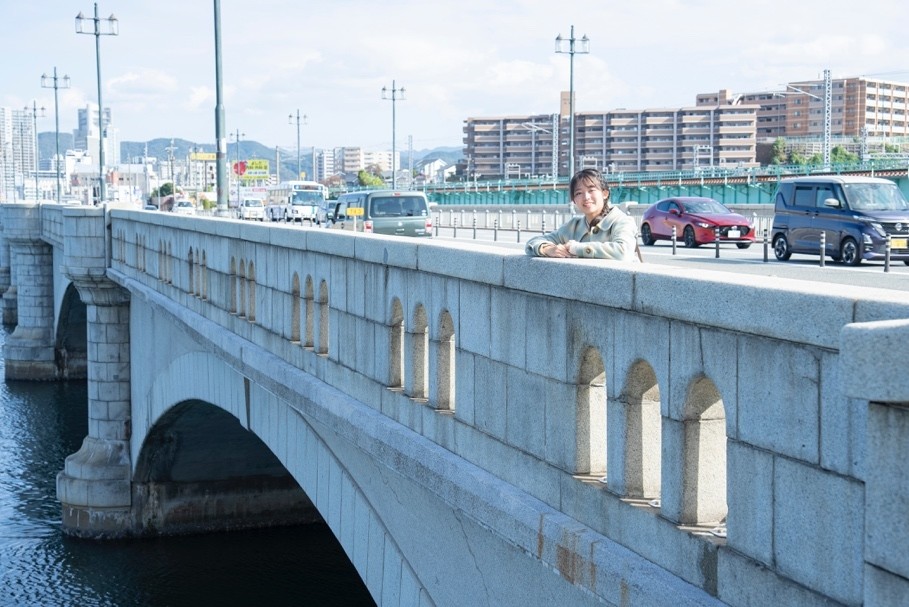 |
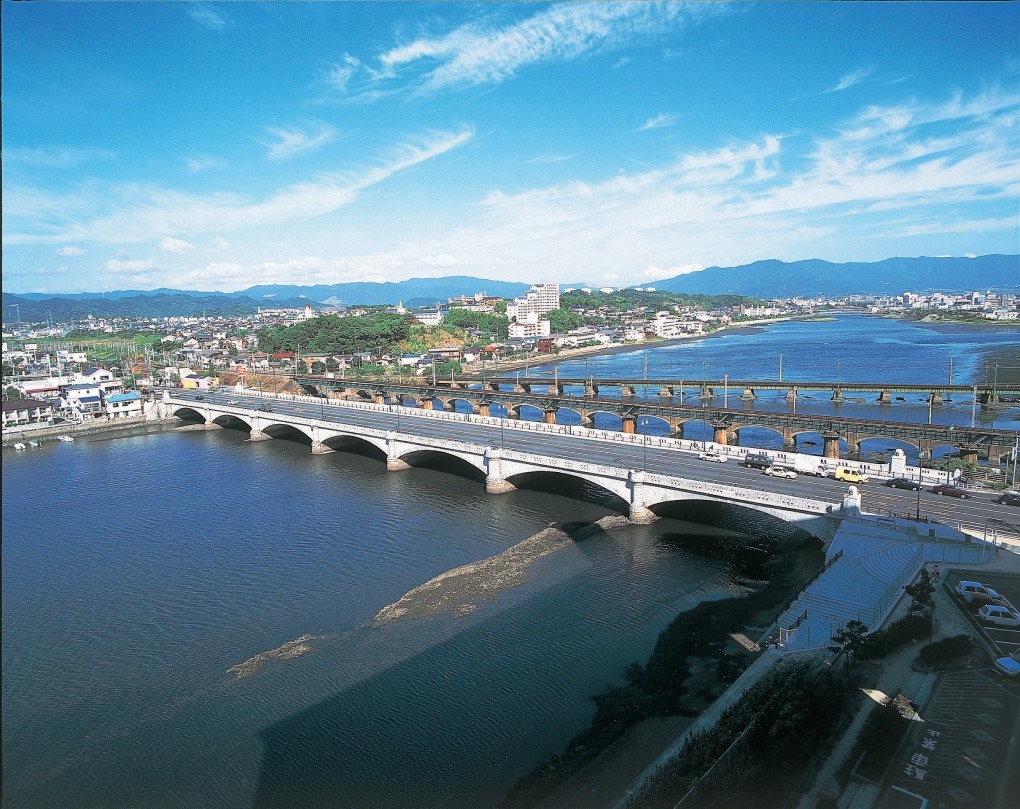
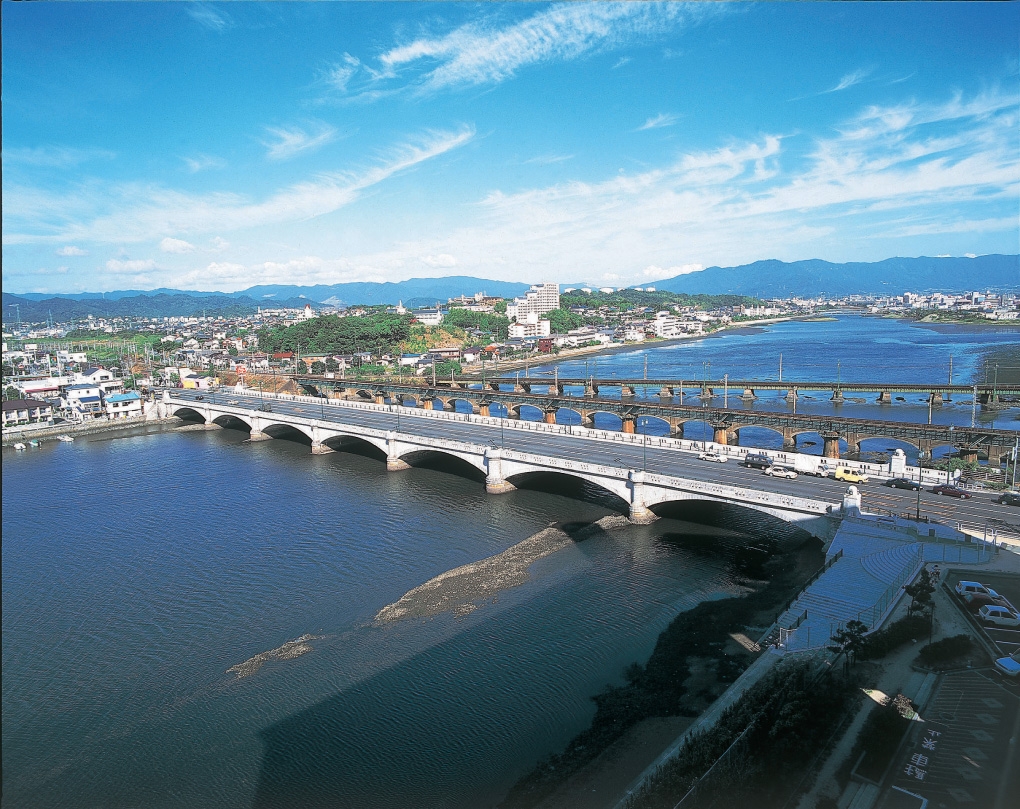
The Najima Bridge is a seven-span reinforced concrete arch bridge completed in 1933, with a total length of 204.1 meters and a width of 25.2 meters. The area was at the forefront of modernization, marked by the opening of the Najima Thermal Power Plant, a seadrome and other developments. Here, engineers and workers joined forces to build a bridge on a scale that was groundbreaking at the time.
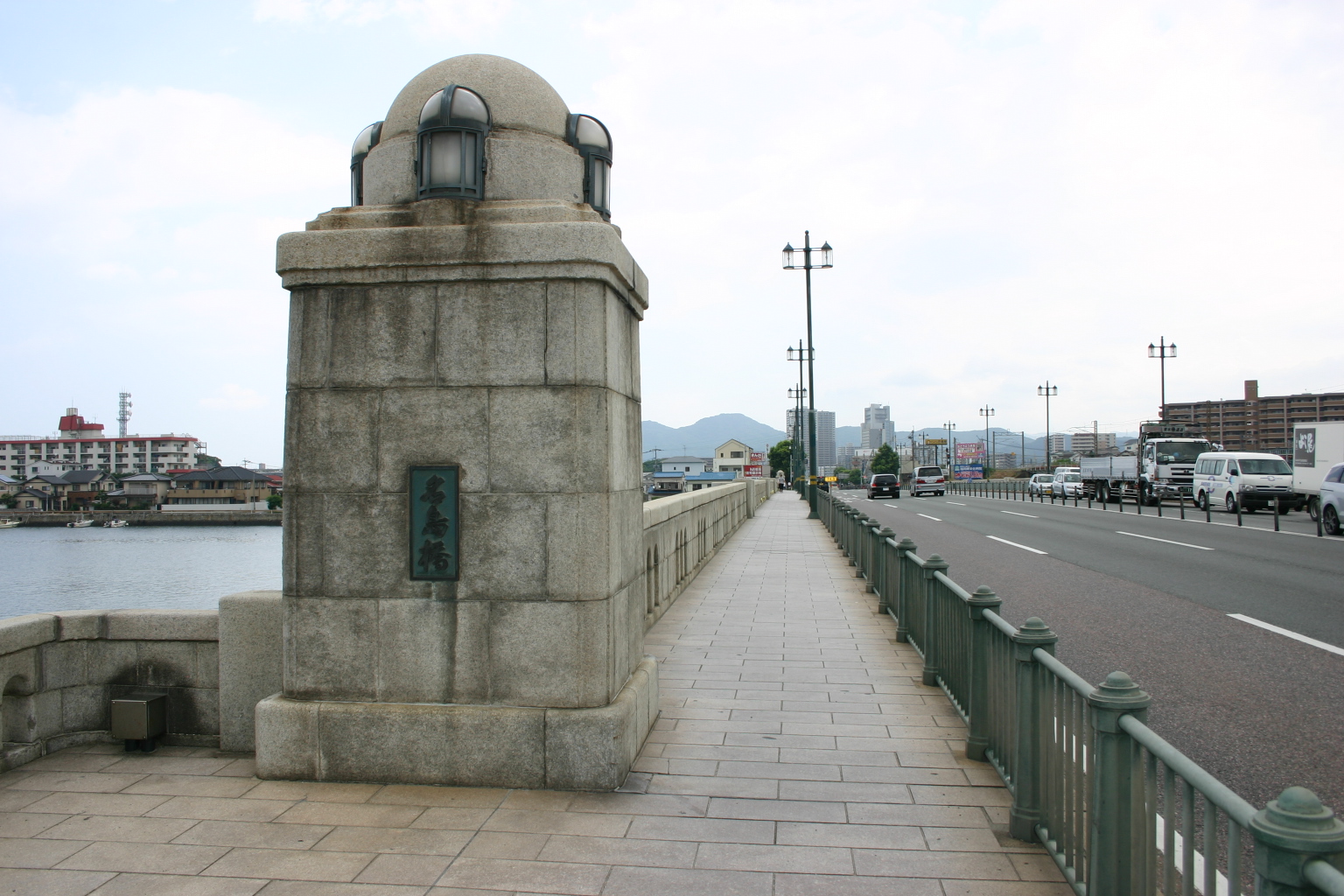
The sight of the seven arches in a row is truly impressive. Semicircular pilasters, balconies, hemispheres on the main pillars, and other classical decorative elements throughout the structure create an aura that is both imposing and elegant.
Recognized for its historical significance and beautiful appearance, the bridge was registered as a National Tangible Cultural Property (Structure) in 2018.
Take a leisurely walk across the beautiful Najima Bridge while reflecting on the dreams and hopes of those who came before us.
◎Najima Bridge
■Location:
Between 7-chome, Hakozaki and 2-chome, Najima in Higashi Ward, Fukuoka City
A reminder of the old Hakozaki student district of the days of the imperial university
[Daigaku-yu] (Registered Tangible Cultural Property of Japan)
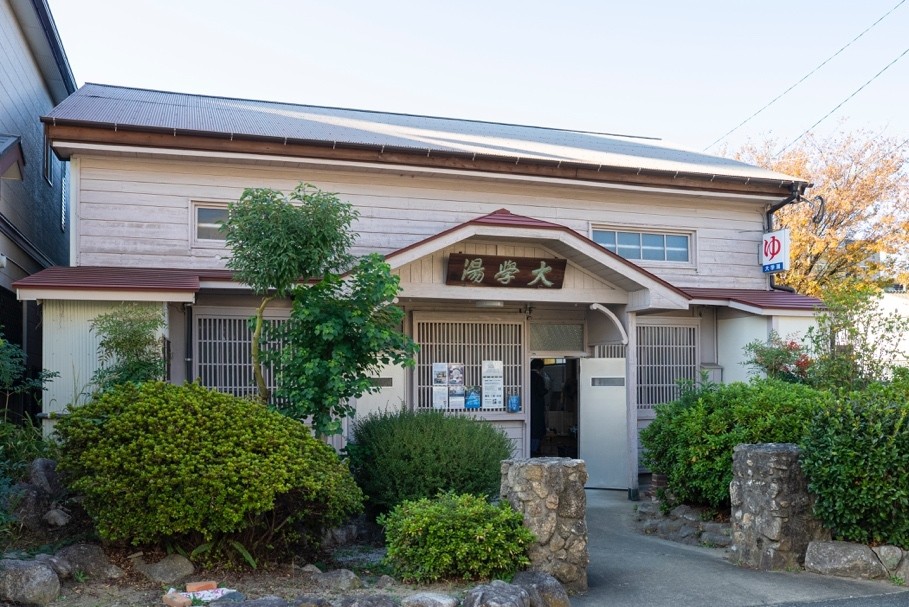
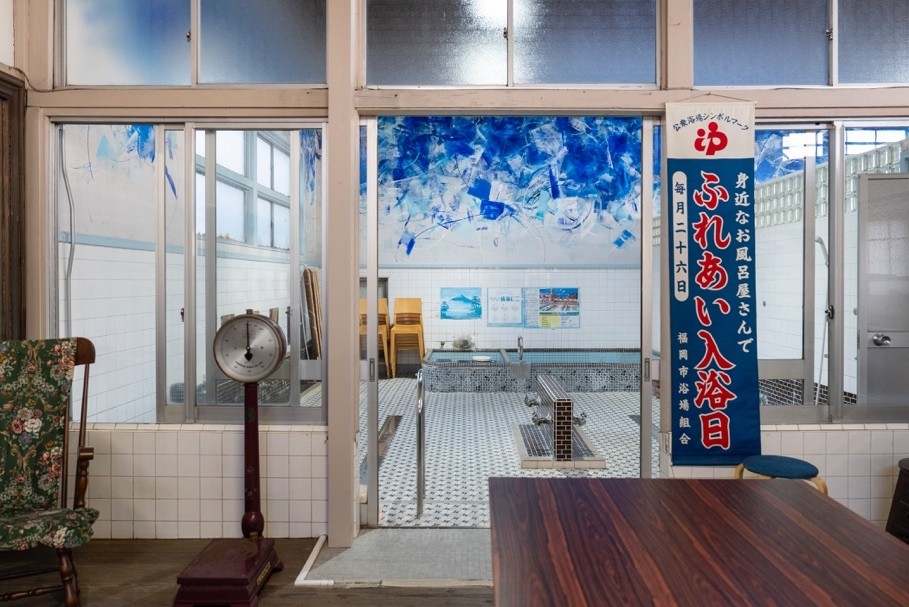
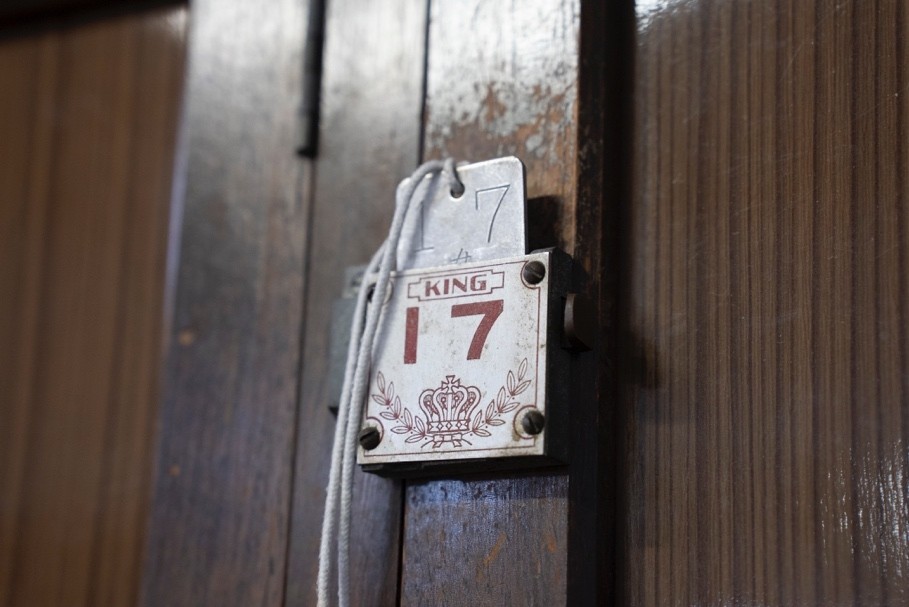
Daigaku-yu was a public bathhouse established in 1932 to serve as a gathering place for the local community for nearly 80 years. It was loved by the residents of Hakozaki in Fukuoka City’s Higashi Ward and by students of the former Kyushu Imperial University (now Kyushu University), which was once located nearby. There are even stories saying that sumo wrestlers staying at the nearby Ikko-ji Temple used to come here.
At one point, Daigaku-yu had to be closed due to deterioration. However, in 2020, the General Incorporated Association DGY was established to preserve and use the building. As a valuable heritage site preserving the memory of the prewar student district, and as a historic public bathhouse, Daigaku-yu was registered as a Tangible Cultural Property of Japan in 2024. Currently, DGY rents out the space for various purposes while working to preserve the building and transform it into a gathering place open to the community.
 |
 |
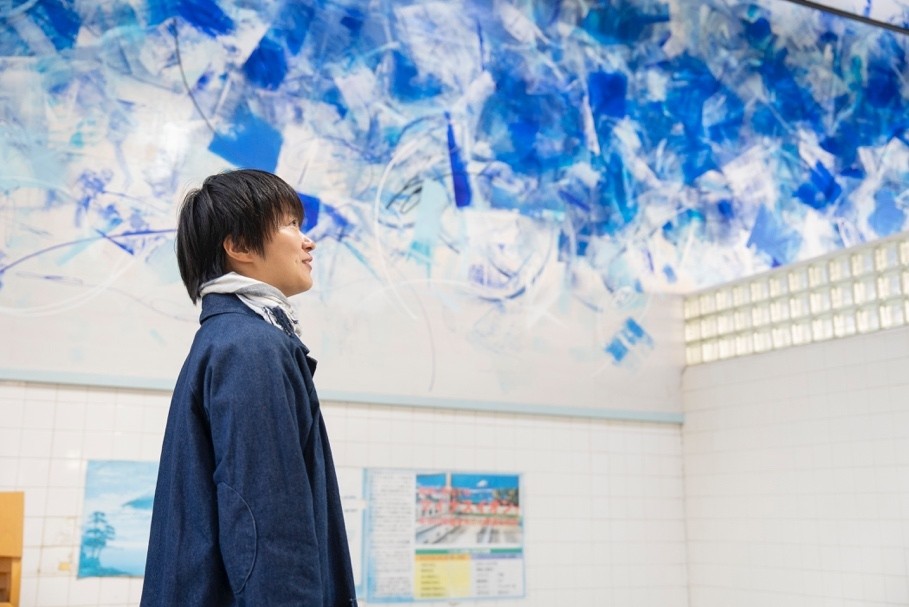
▲Gin Soda, artist from Hakozaki and member of DGY
◎Daigaku-yu
■Address:
3-17-24, Hakozaki, Higashi Ward, Fukuoka City
■Access:
A 5-minute walk from subway station Hakozaki Kyudaimae, Hakozaki Line
A 8-minute walk from JR station Hakozaki
■Phone:
092-711-4982 (Fukuoka City, Economy, Tourism & Culture Bureau Cultural Property Utilization Section[)
Feel the warmth of an old townhouse dating back to the Edo period[Former Shibata Residence] (Registered Tangible Cultural Property of Japan)
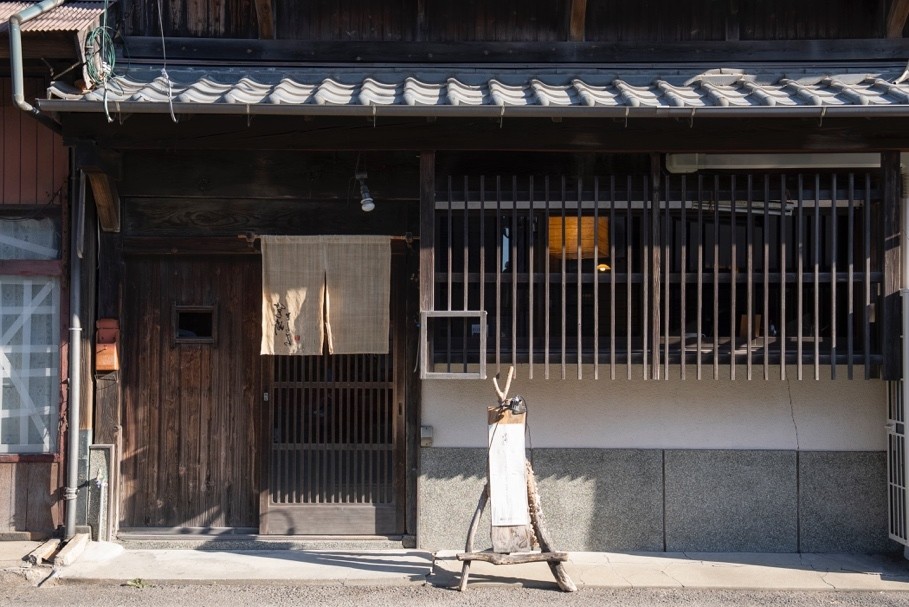
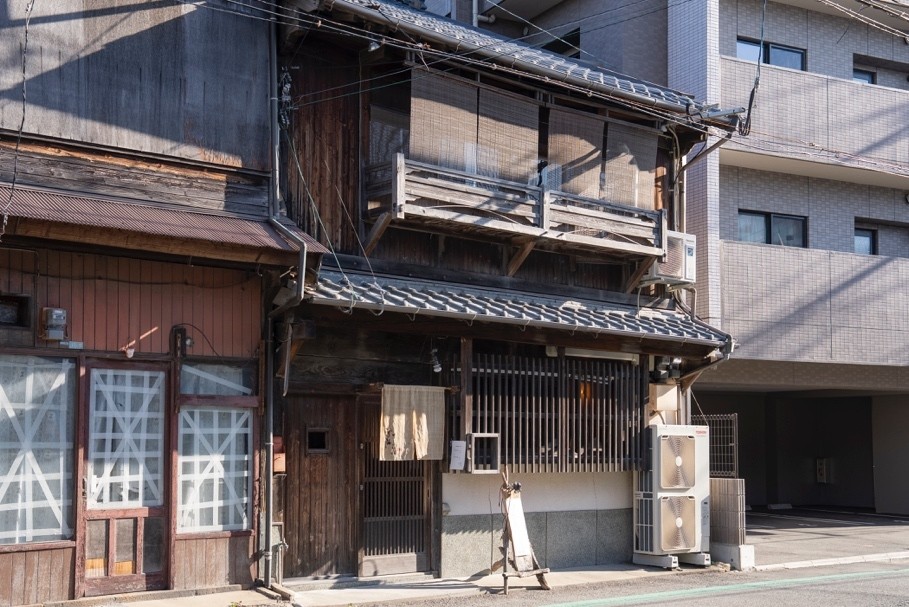
Entering a side street, you will see an old townscape. Hakozaki once flourished as a post town along the Karatsu Kaido road, and old townhouses (hakata machiya) still stand along the old highway today.
 |
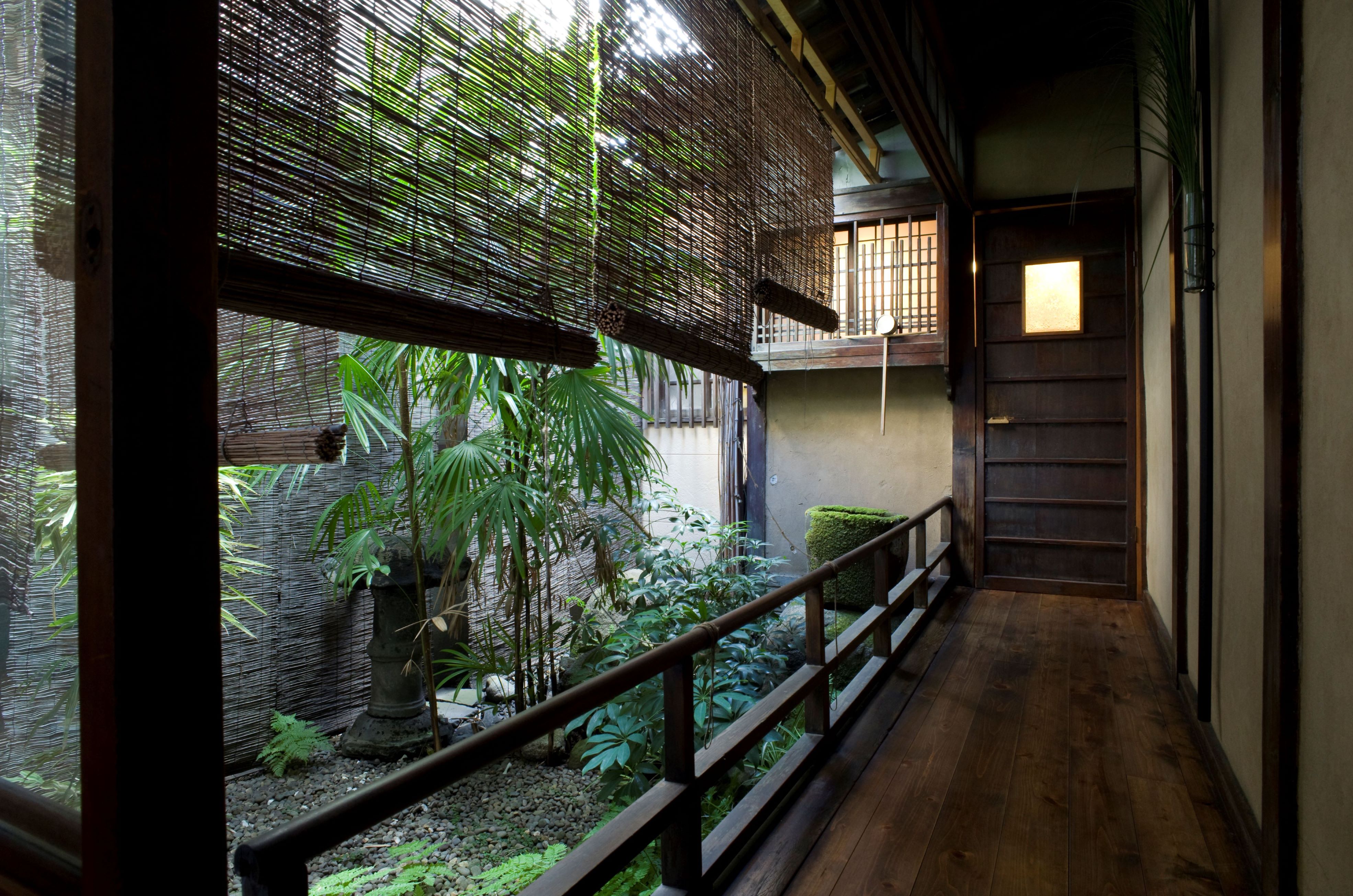 |
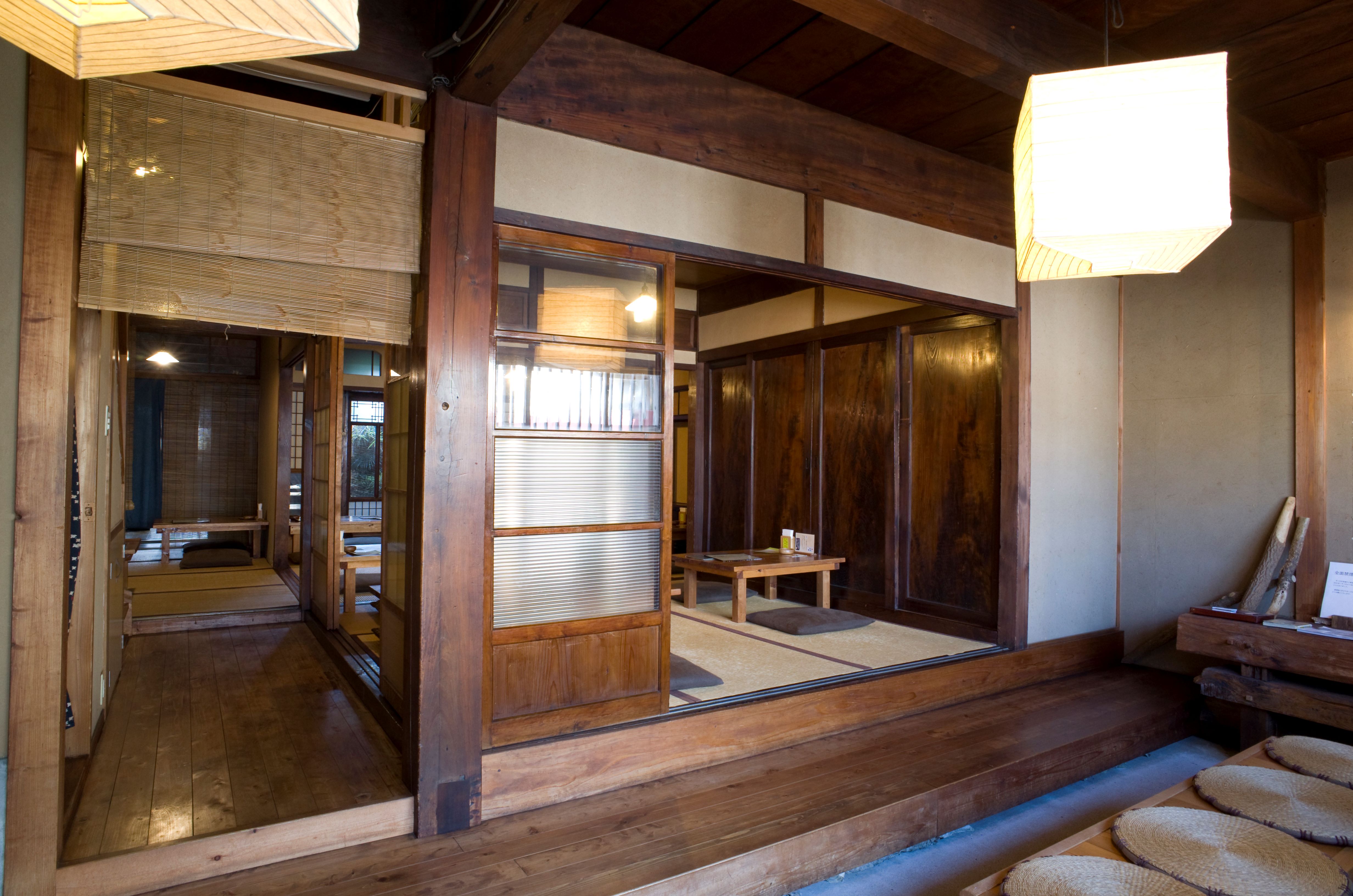
Characterized by a great depth with a narrow front, hakata machiya townhouses are sometimes likened to “eel’s nests”. Typically, a shop room (front room), a middle room, and a formal zashiki sitting room are arranged in a single row toward the rear of the property, connected by a long and narrow toriniwa passageway (doma dirt floor room). Since the Edo period, this area has long been known for producing cedar bentwood articles used in rituals at Hakozaki Shrine.
The Former Shibata Residence was built in the early Taisho period (1912-1926) as a townhouse where the family ran a bentwood crafting business. Although the bentwood crafting business was discontinued in the early Showa period (1926-1989), the building was still used as a residence, and today, the descendants are carefully preserving the structure while running the restaurant “Hakozaki Tororo”. Here, you can feel the comforting atmosphere unique to old townhouses.
 |
 |
◎Former Shibata Residence
■Address:
5-12-9, Maidashi, Higashi Ward, Fukuoka City, Fukuoka Prefecture
■Access:
A 5-minute walk from subway station Maidashi-Kyudaibyoinmae, Hakozaki Line
[Hakoshima Residence](Registered Tangible Cultural Property of Japan)
 |
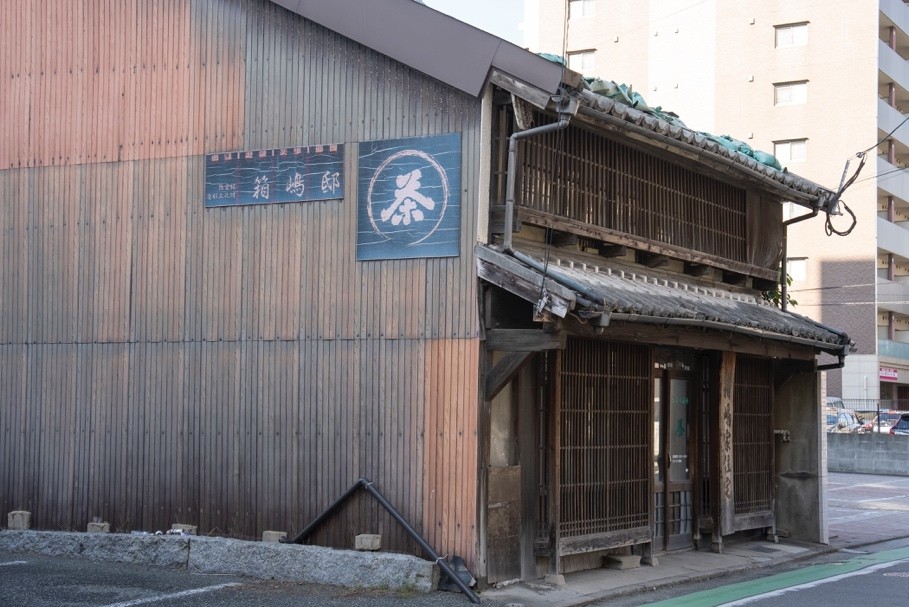 |
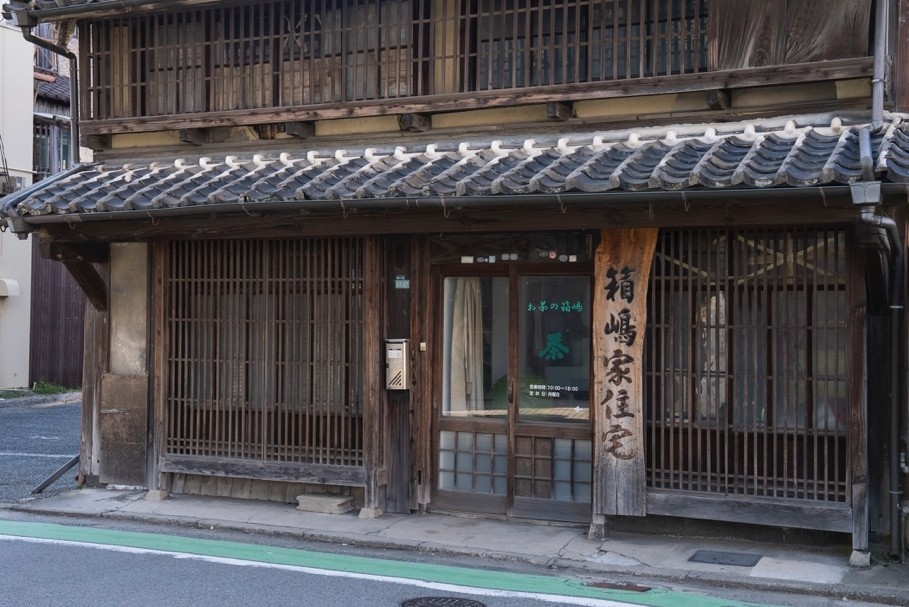
After a three-minute walk from the Former Shibata Residence, the Hakoshima Residence will come into view. This hakata machiya townhouse is also a Registered Tangible Cultural Property of Japan. It was built in 1872 and was once operated as the Hakoshima Tea Shop.
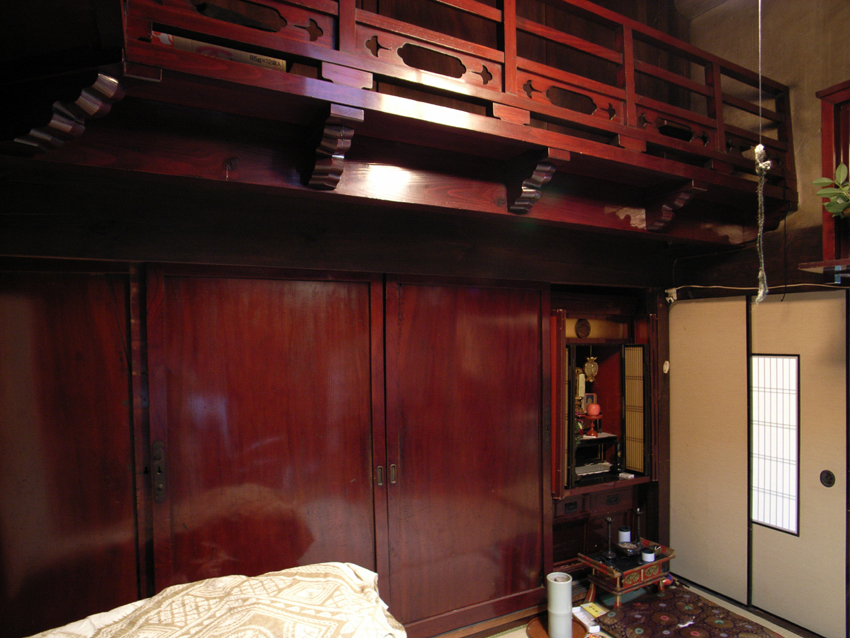
Preserved inside the building are a middle room with an open ceiling, a beautiful vermilion-lacquered balustrade and a box staircase, as well as a formal zashiki sitting room designed with high-quality materials to convey a sense of high social standing. The toriniwa passageway houses a shrine dedicated to the household guardian deity, Kōjin-sama. The interior is currently closed to the public. However, together with the Former Shibata Residence, the Hakoshima Residence evokes memories of the bustling days when this area brimmed with life, serving as the Hakozaki Shrine town and a post town along the Karatsu Kaido road.
◎Hakoshima Residence
■Address:
2-662, Maidashi, Higashi Ward, Fukuoka City, Fukuoka Prefecture
■Access:
A 5-minute walk from subway station Maidashi-Kyudaibyoinmae, Hakozaki
Deity for victory and protection from misfortune[Hakozaki Shrine]
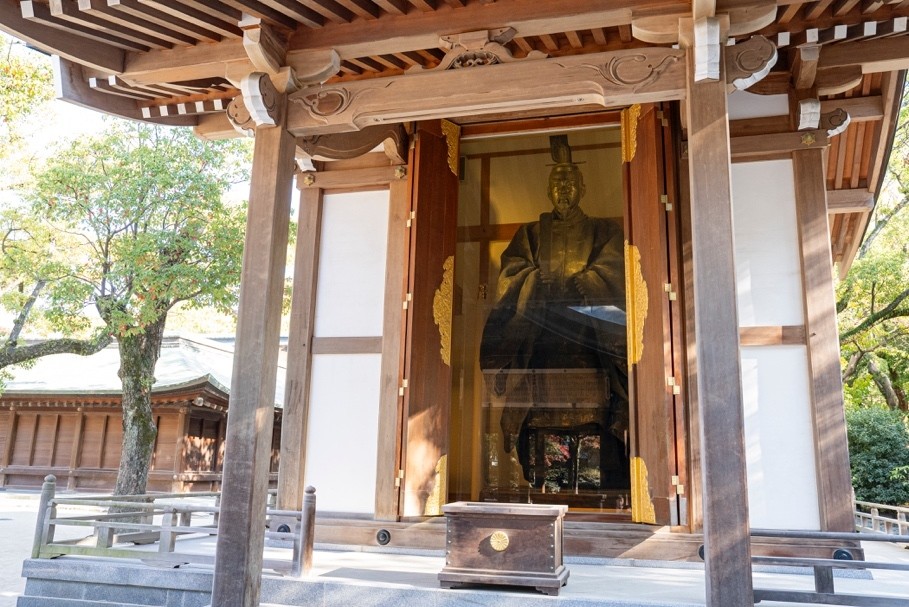
▲A statue of Retired Emperor Kameyama, approximately 6 meters tall, is enshrined on the grounds
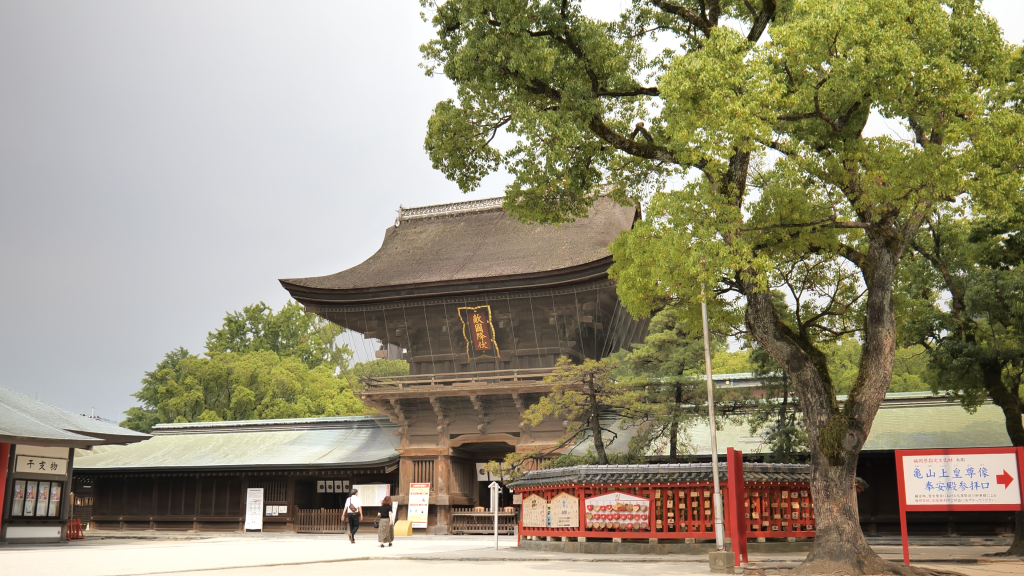
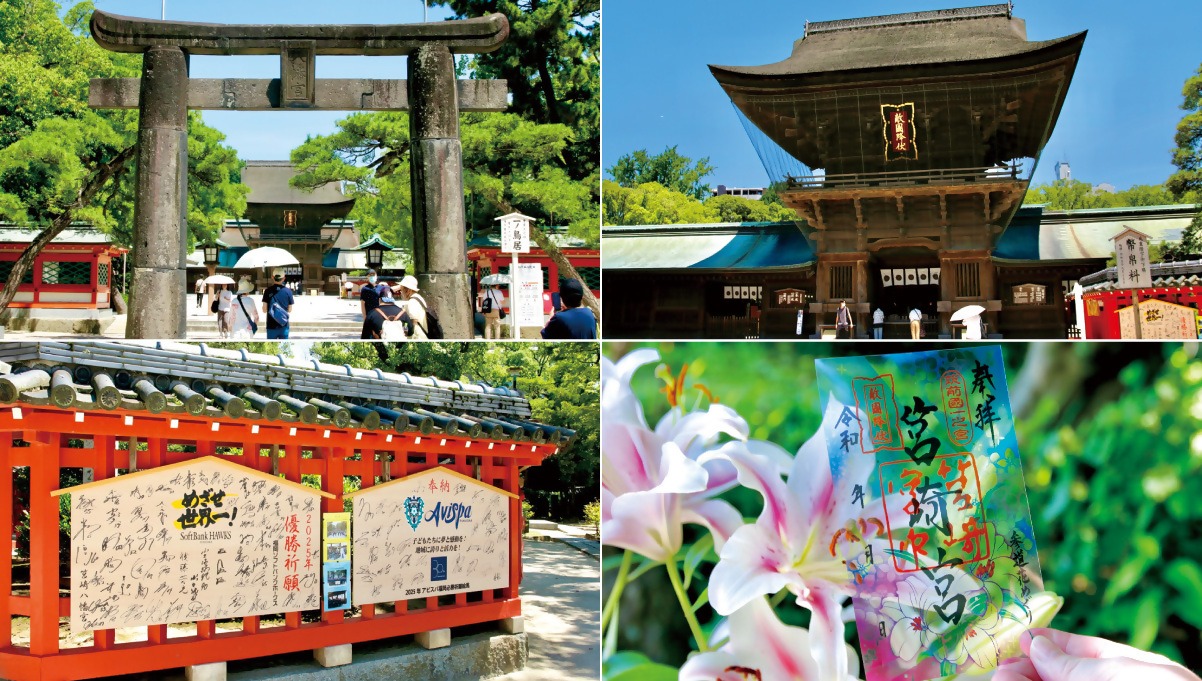
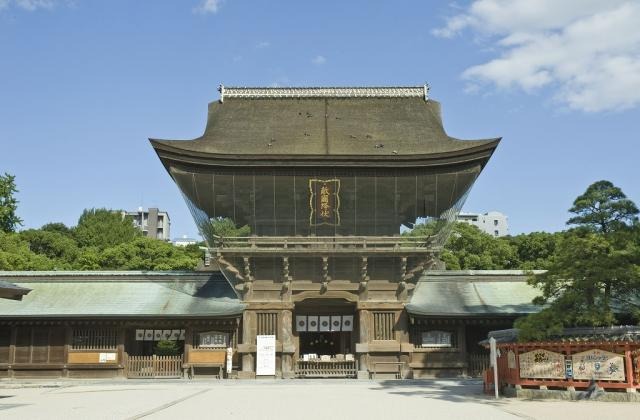
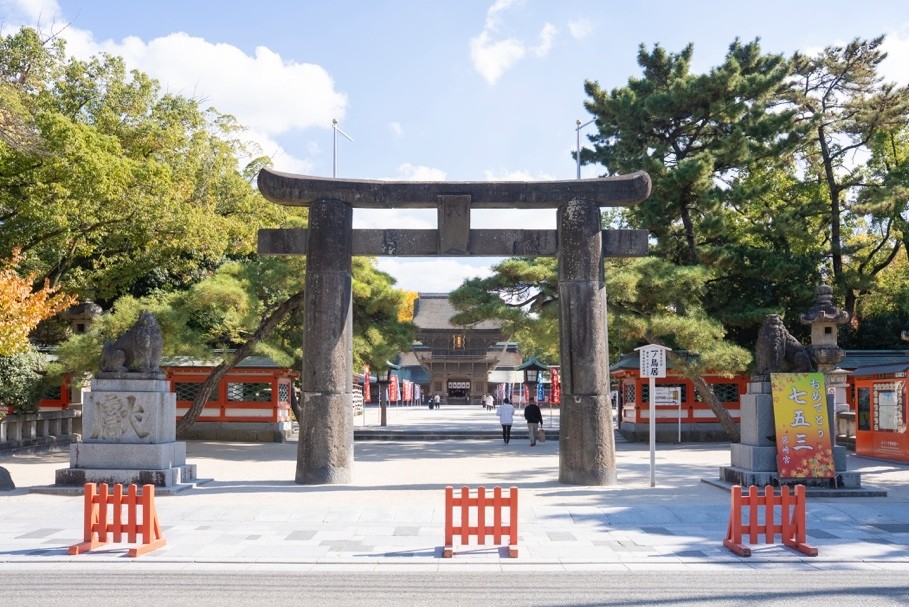
Hakozaki Shrine is said to have been founded in 923, when it was relocated from Daibu Hachiman Shrine in Honami District by imperial decree of Emperor Daigo. The principal deity is Emperor Ōjin, but the shrine is also dedicated to Empress Jingu and Princess Tamayori. In the Middle Ages, the shrine flourished as a hub for exchange with foreign countries. After the Mongol invasions, it became associated with the legend of the Divine Wind and since then has been widely worshipped as a deity of victory and protection from misfortune. The first torii gate, known as the Hakozaki Torii, was erected in 1609 by Nagamasa Kuroda, the first lord of the Fukuoka domain. The shrine was also venerated by many military commanders. For example, the Tower Gate (romon) with its striking large roof was rebuilt by Kobayakawa Takakage in 1594, and the main hall and worship hall were rebuilt by Ouchi Yoshitaka in 1546. All these structures have been designated as Important Cultural Properties of Japan.
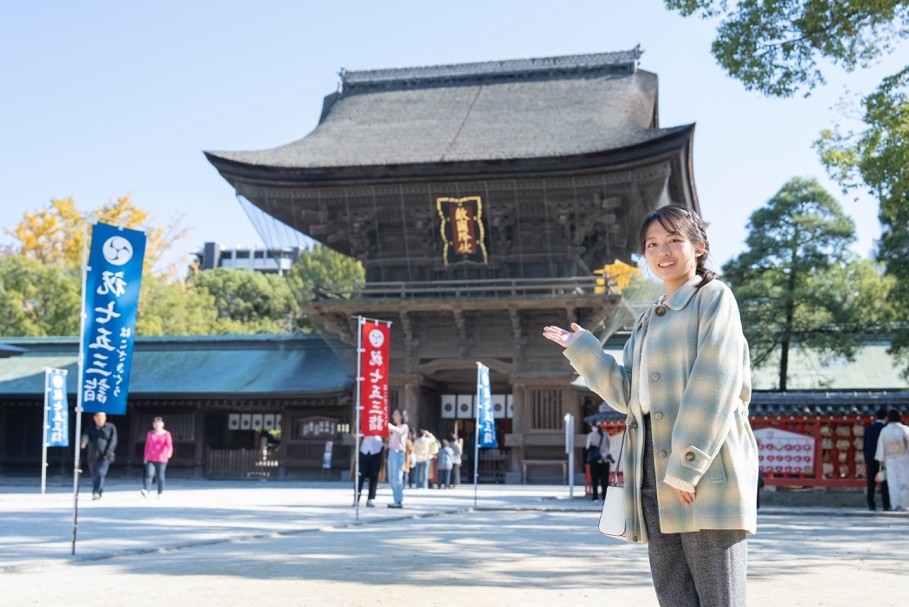
The inscription 敵国降伏 (“May the enemy nations prostrate themselves [in defeat]”]) displayed on the Tower Gate was restored based on an autograph of Retired Emperor Kameyama, and was intended to convey the message that leaders should lead by virtue rather than by force. The shrine remains popular with many worshippers today, and festivals such as the “Hōjōya” (September) and “Tamaseseri” (January) have become famous seasonal events of Hakata.
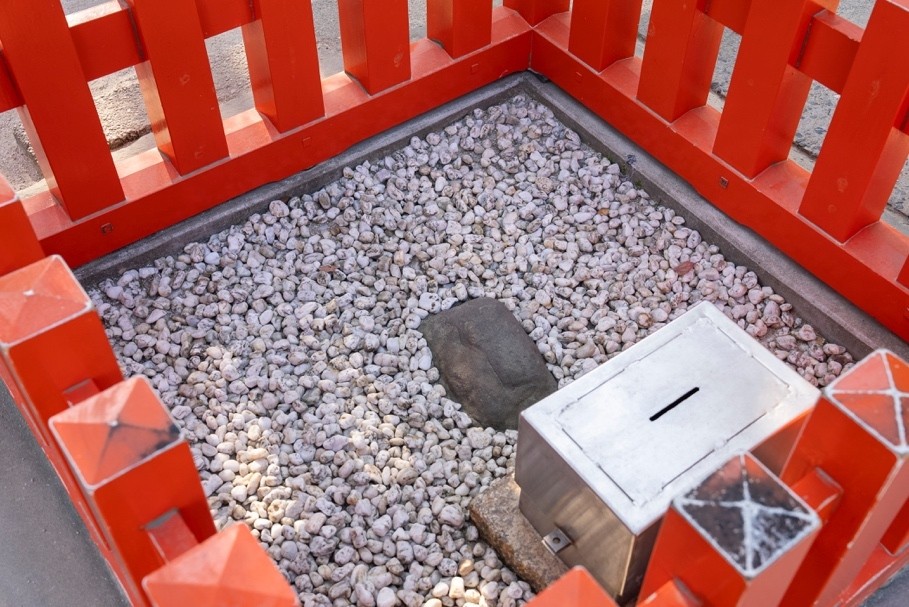
Next to the hand-washing pavilion of Hakozaki Shrine, you can find the Flowing Forth Rock (Yushutsuseki), which is known as a power spot. It is said that this magical rock emerges from the ground during times of national crisis. Due to the belief that touching it brings good fortune, the rock still attracts many worshippers today. The Flowing Forth Rock is depicted in an old drawing from the Muromachi period (1336-1573), which means that it has been present on the precincts for a very long time.
◎Hakozaki Shrine
■Address:
1-22-1, Hakozaki, Higashi Ward, Fukuoka City
■Access:
A 5-minute walk from subway station Hakozaki-Miyamae, Hakozaki Line
A 8-minute walk from JR station Hakozaki
■Website:
https://www.hakozakigu.or.jp/index.html
Kyutaro Shoten
For lunch, stop by Kyutaro Shoten, located right outside the torii gate of Hakozaki Shrine. In this restaurant, you will find a cozy space featuring tatami seating and horigotatsu tables. Enjoy craft beer, sweets, and meals inspired by history during the day or in the evening. The seating on the terrace on the first floor offers a panoramic view of Hakozaki Shrine.
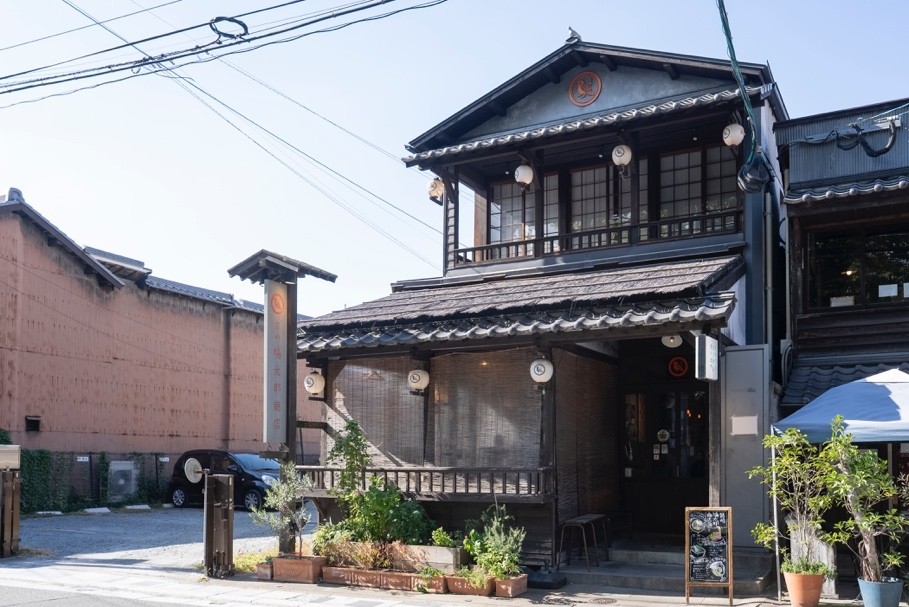
The area around Hakozaki Shrine is home to more than 80 shops and restaurants, bustling with life typical of a traditional downtown neighborhood. There are all kinds of unique stores, offering everything from gourmet food to sundries. Be sure to check the website before you head out.
◎Hakozaki Shopping District
■Website:
https://hakoshoren.org/
Najima Bridge and Hakozaki Shrine, charming old residences, a public bathhouse, and the special atmosphere of the shopping district: Hakozaki is full of fascinating sights that can only be truly appreciated on foot. A leisurely walk through this area will bring you in touch with the depths of history.
◎List of visited spots
・Najima Bridge
・Daigaku-yu
・Former Shibata Residence
・Hakoshima Residence
・Hakozaki Shrine
・Hakozaki Shopping District(Kyutaro Shoten)